[Kyongwoo sori(song) series] ‘Japga lives beyond the city gates.’
서울문화재단 예술창작활동지원 선정 작품 · 2026 서울어텀페스타 참가작
Selected for the Seoul Foundation for Arts and Culture Art Creation Support · 2026 Seoul Autumn Festa
글도 말도 시도 아닌 거룩한 넋, 태백산맥 너머 ‘메나리’를 깨우다
‘Menari, the Sacred Soul Beyond the Taebaek Mountains, Awakens on Stage!’
‘경우소리시리즈’는 만남과 이별, 연인과의 사랑, 만물의 이치, 자연 탐방 등 시대를 불문하고 인간사의 가장 보편적인 이야기들이 수백 년 동안 서민들에 입과 귀로 재생산되었던 민요에 담겨 있었고, 이를 통해 현대인들과 소통하고 표현하고자 만들어진 프로젝트다.
‘메나리란 그 백성이 저절로 그럭저럭 속 깊이 간직해 가진 거룩한 넋’ 홍사용, 조선은 메나리 나라 中
경우소리시리즈의 네번째 작품 ‘메나리, 짓의 노래들’은 강원∙경상∙함경 등 태백산맥 동쪽에서 불려 온 동부소리, ‘메나리’를 ‘짓(作)’이라는 주제로 풀어낸 민요 스토리텔링 렉쳐콘서트이다. 노작 홍사용은 1928년 평론 ‘조선은 메나리 나라’에서 메나리를 글도, 말도, 시도 아닌, 백성이 저절로 속 깊이 간직해 온 ‘거룩한 넋’이라 불렀다. 산에 갇히고 바다에 막혀 글 대신 목으로 불렀던 노래, 그것이 메나리다.
‘짓’은 본래 몸을 놀려 움직이는 동작을 뜻한다. 험한 산비탈과 거친 뱃길을 살아낸 동부 사람들의 노동과 몸부림(作)은 소리와 춤, 이야기를 지어(作) 냈고, 그 소리는 몸짓에서 노래로, 다시 사람과 사람 사이로 이어지는 순환을 이루었다.
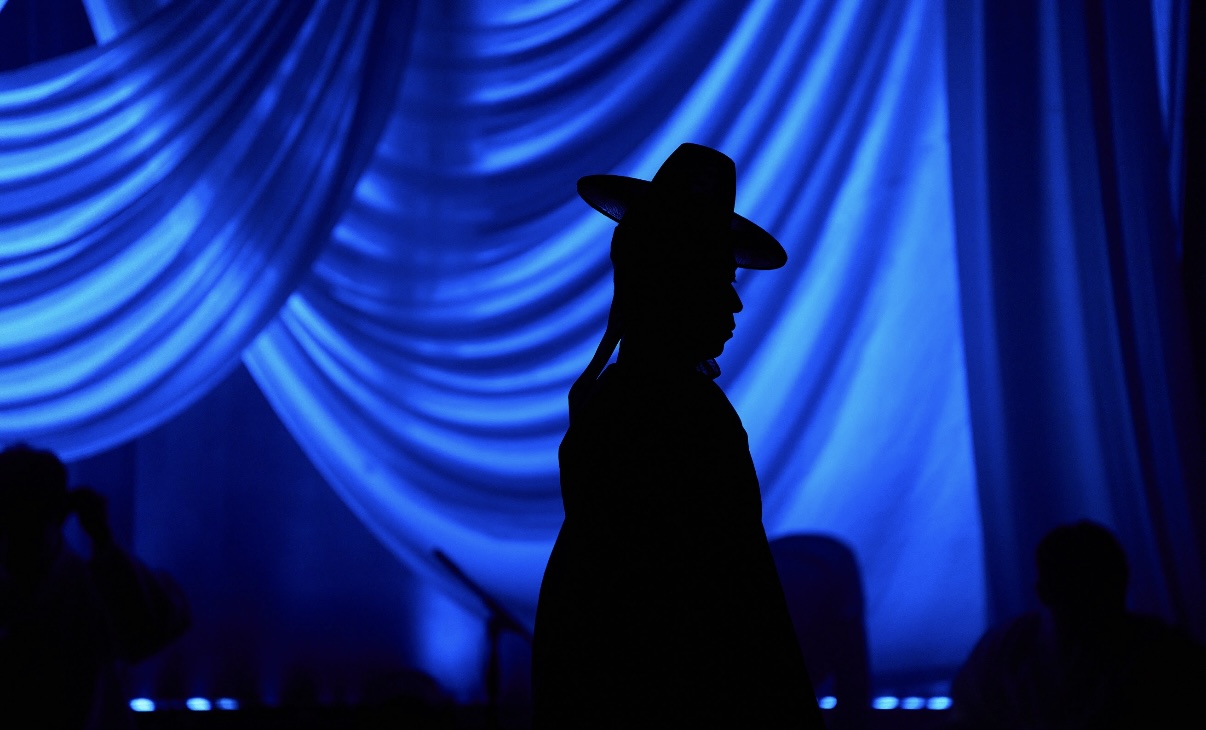
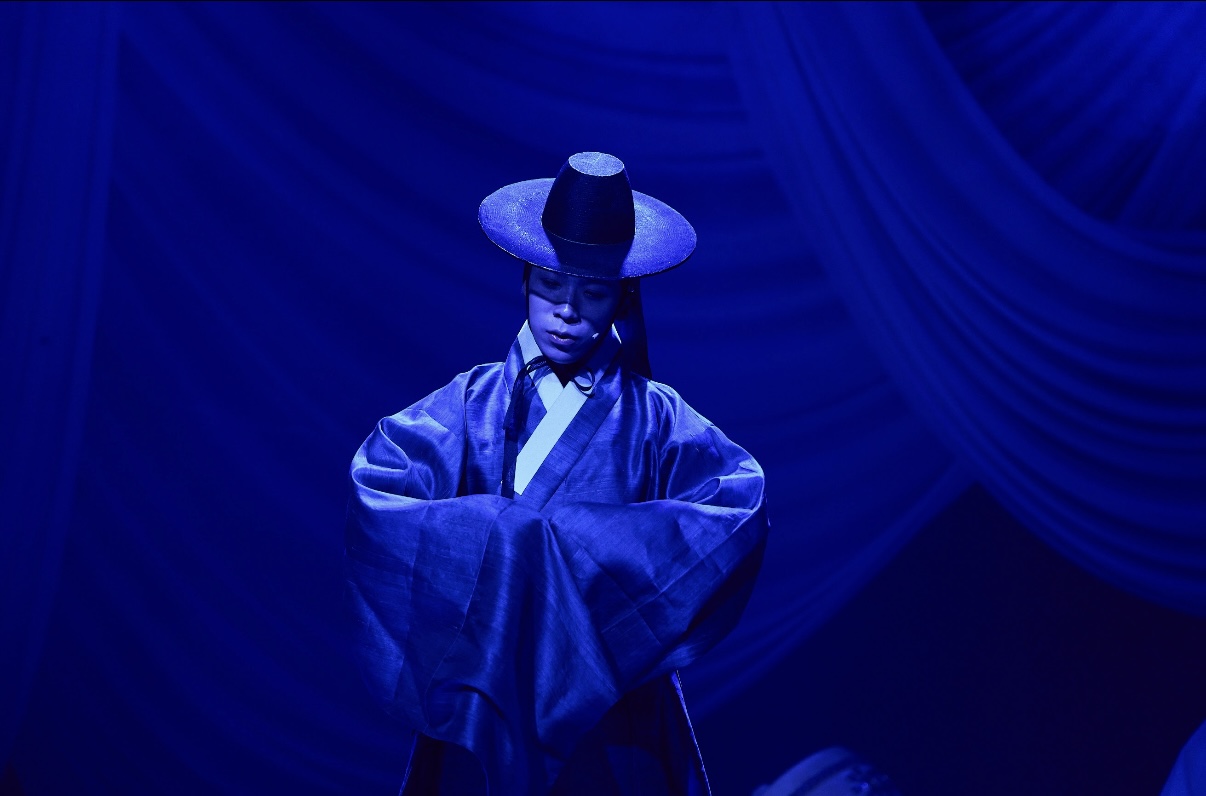
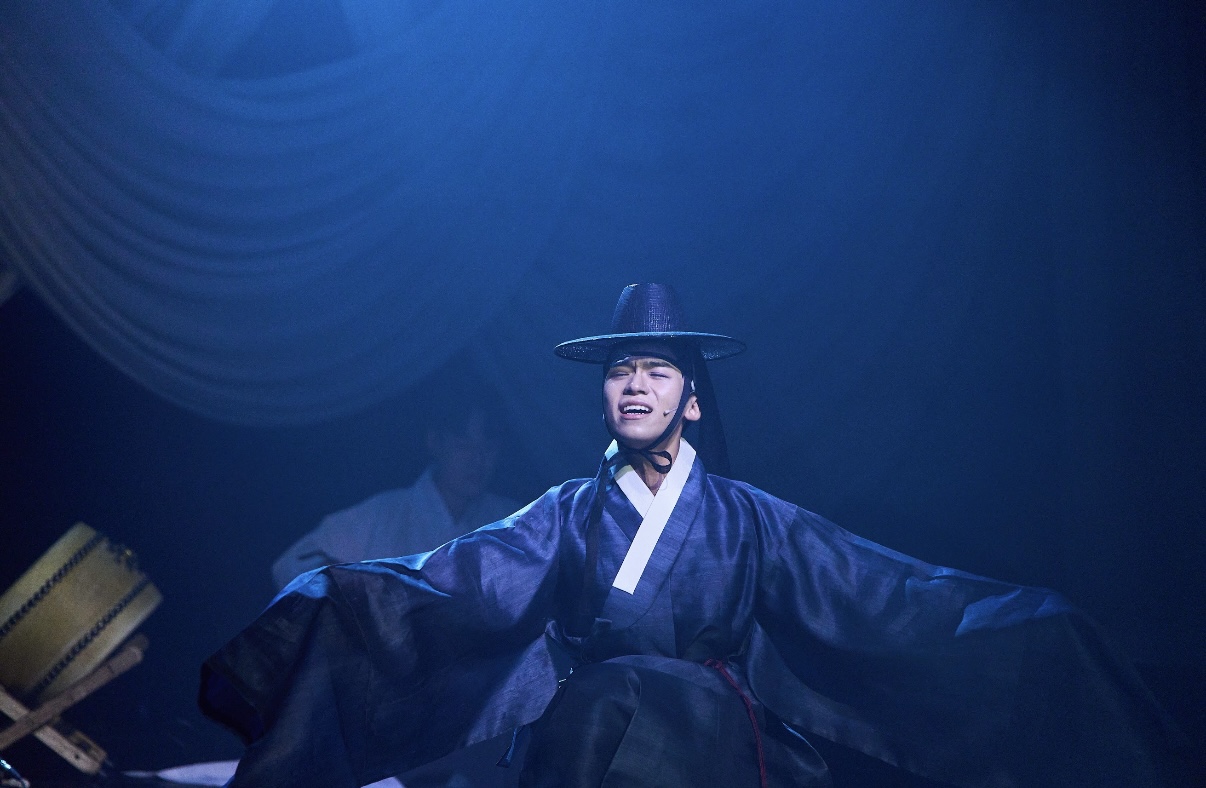
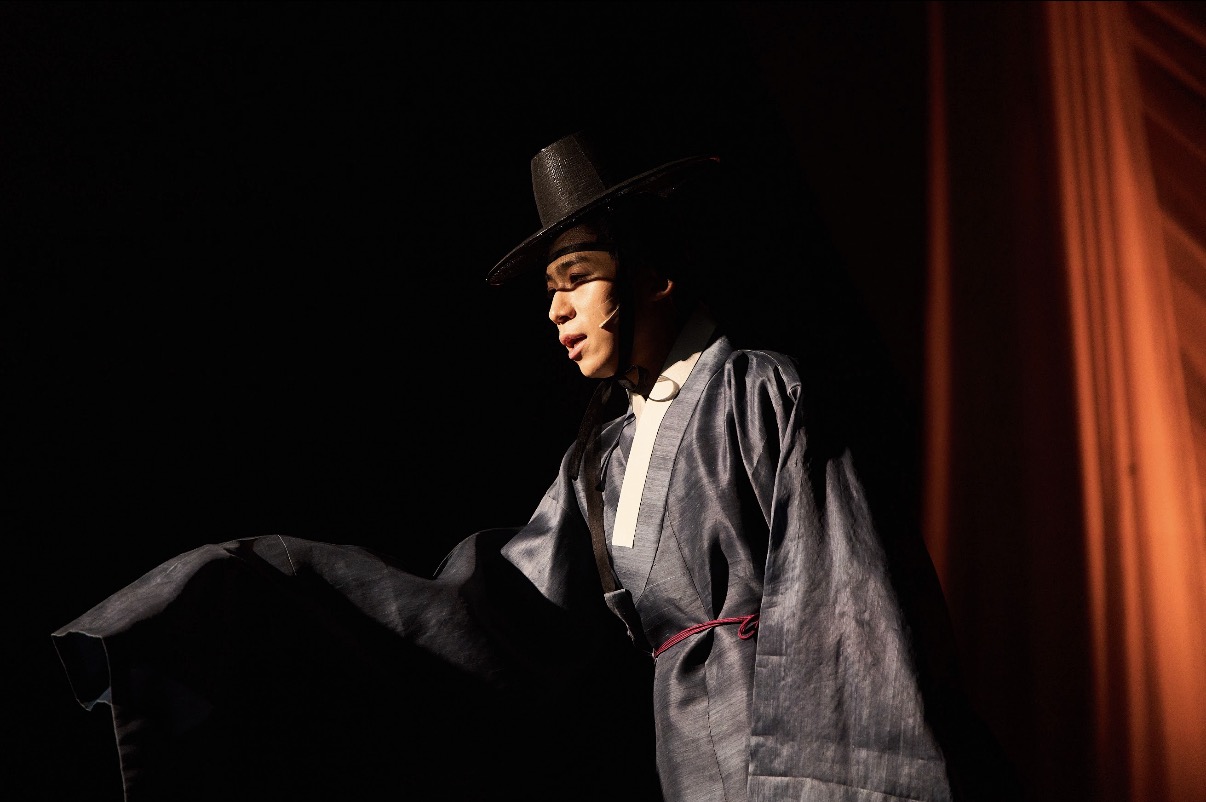
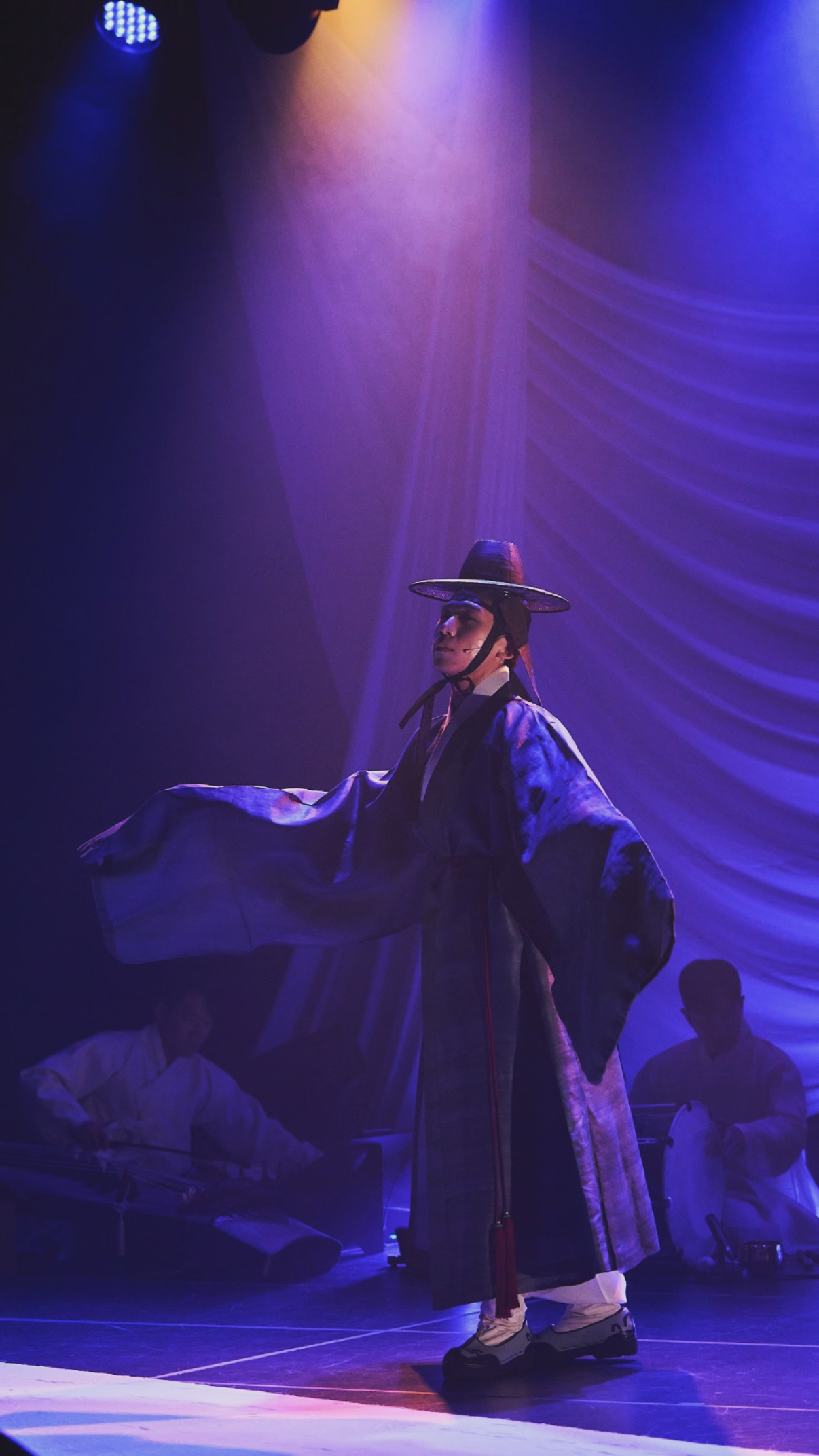
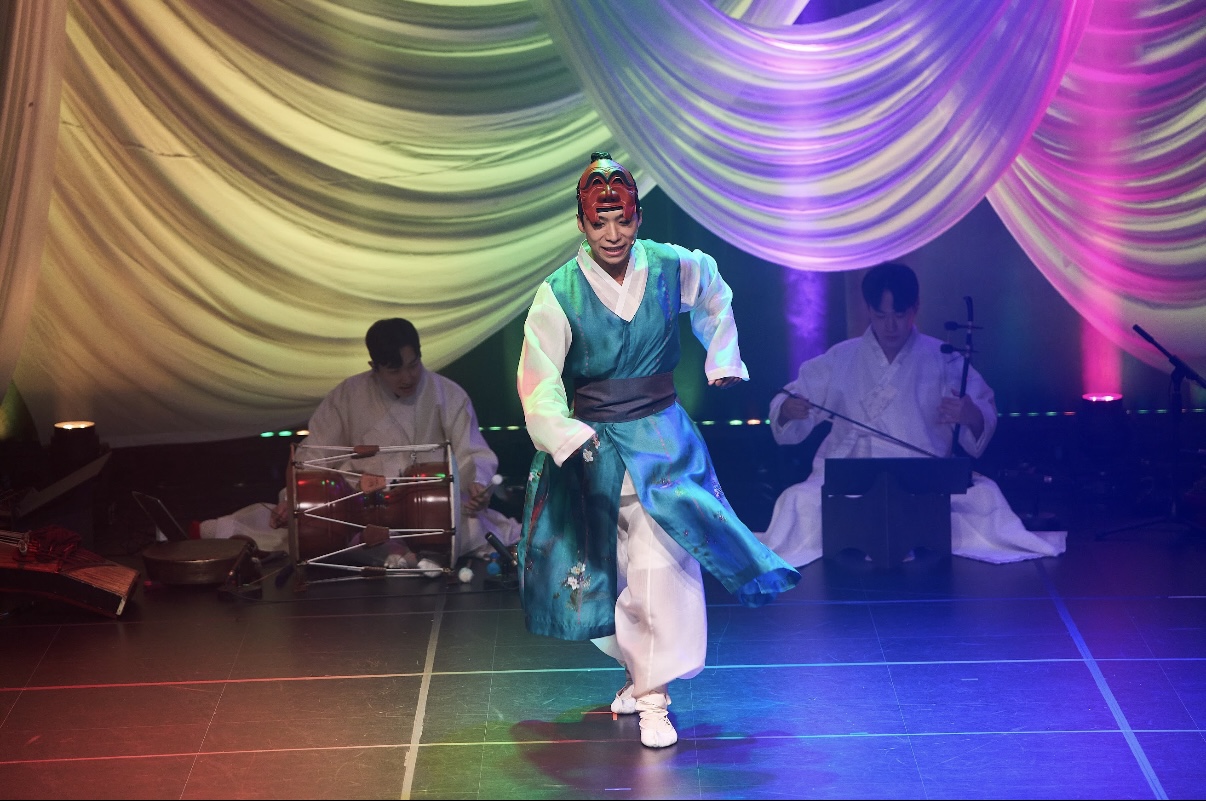
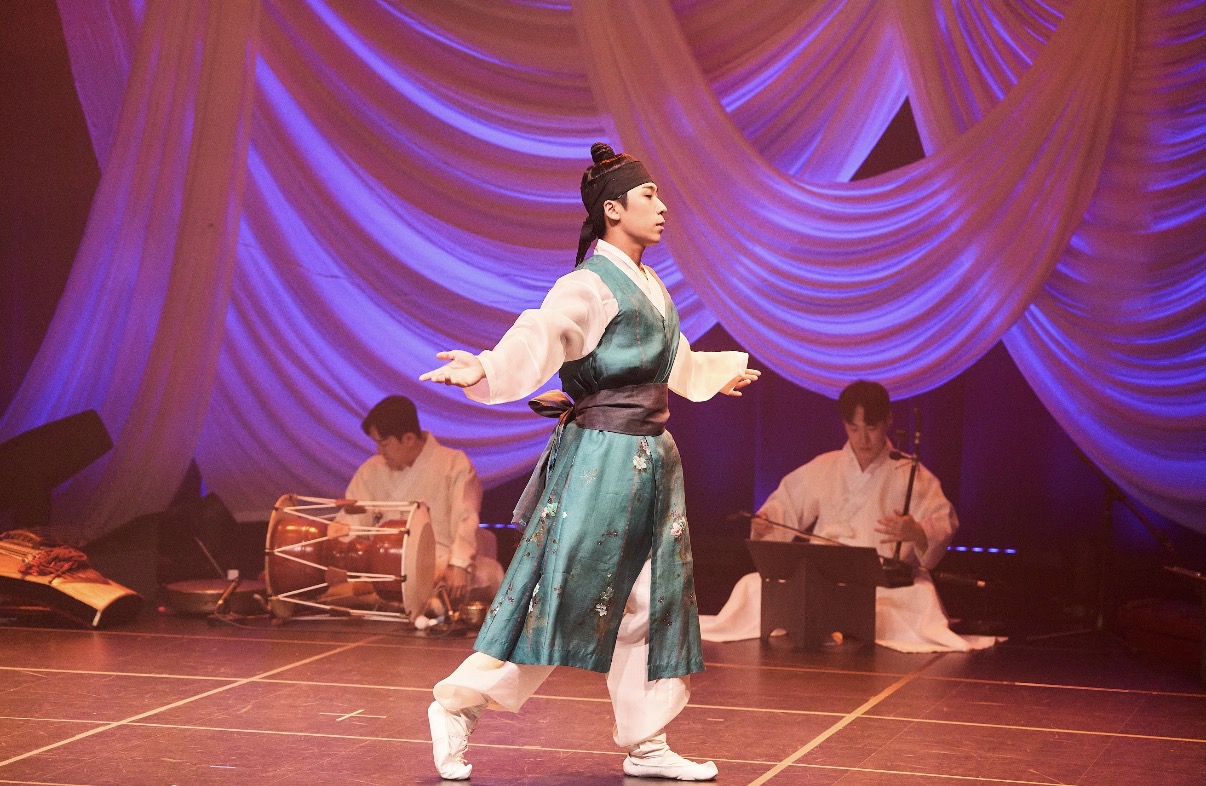
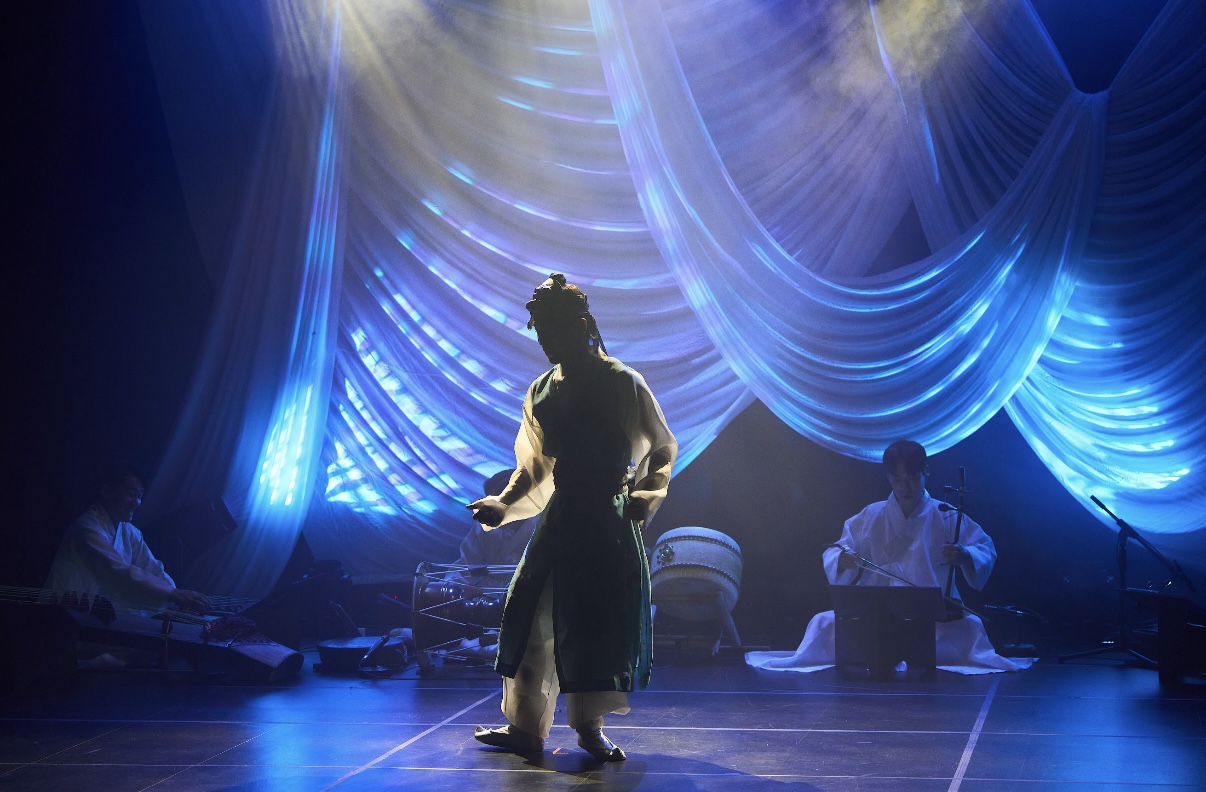
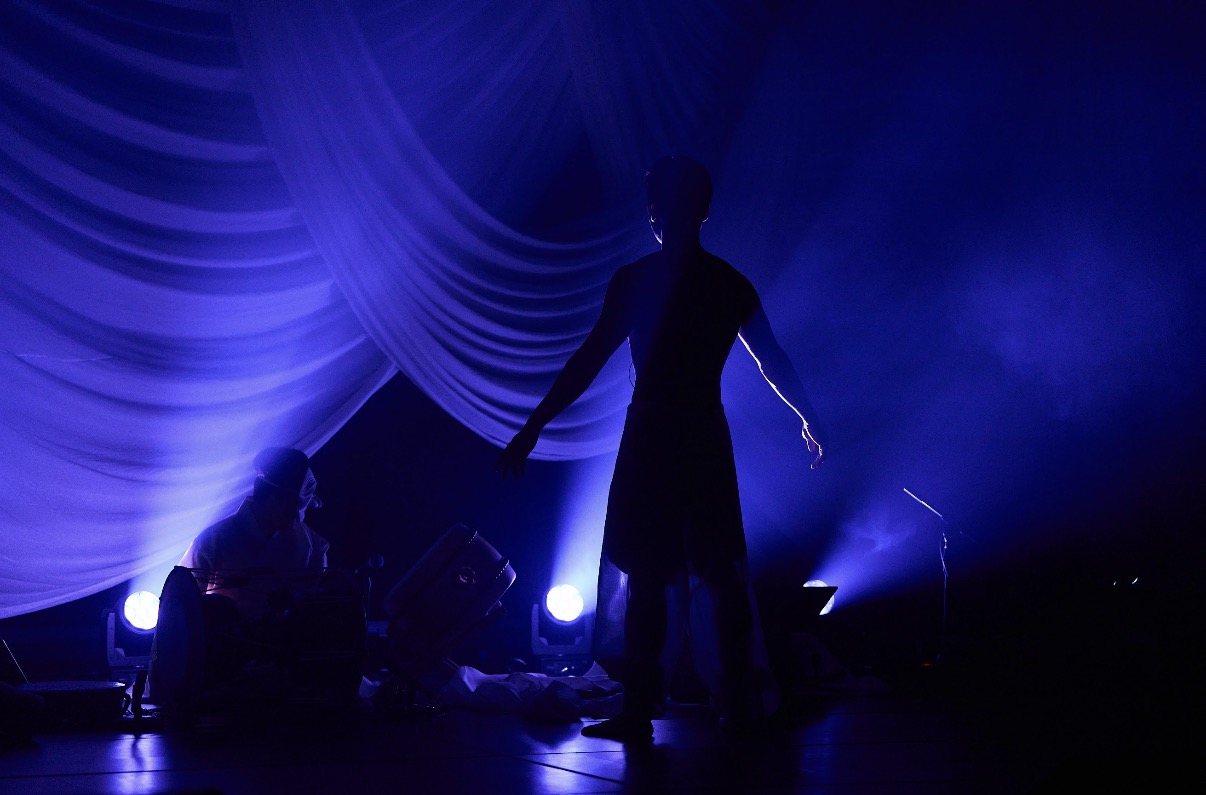
공연은 3막, 10곡, 70분으로 구성되었다. 1막에서는 동해 뱃노래와 정선아라리로 바다와 산의 소리를 실내악으로 열었고, 2막에서는 동부고사덕담, 장(場), 양구의 얼레지타령으로 굿과 장터의 소리를 전자음향과 엮었다. 3막에서는 고산 열두 고개, 건드렁 타령과 애원성, 한오백년∙강원도아리랑, 죽지사를 거쳐 마지막 밀양아리랑을 객석 전체가 함께 부르며 막을 내렸다.
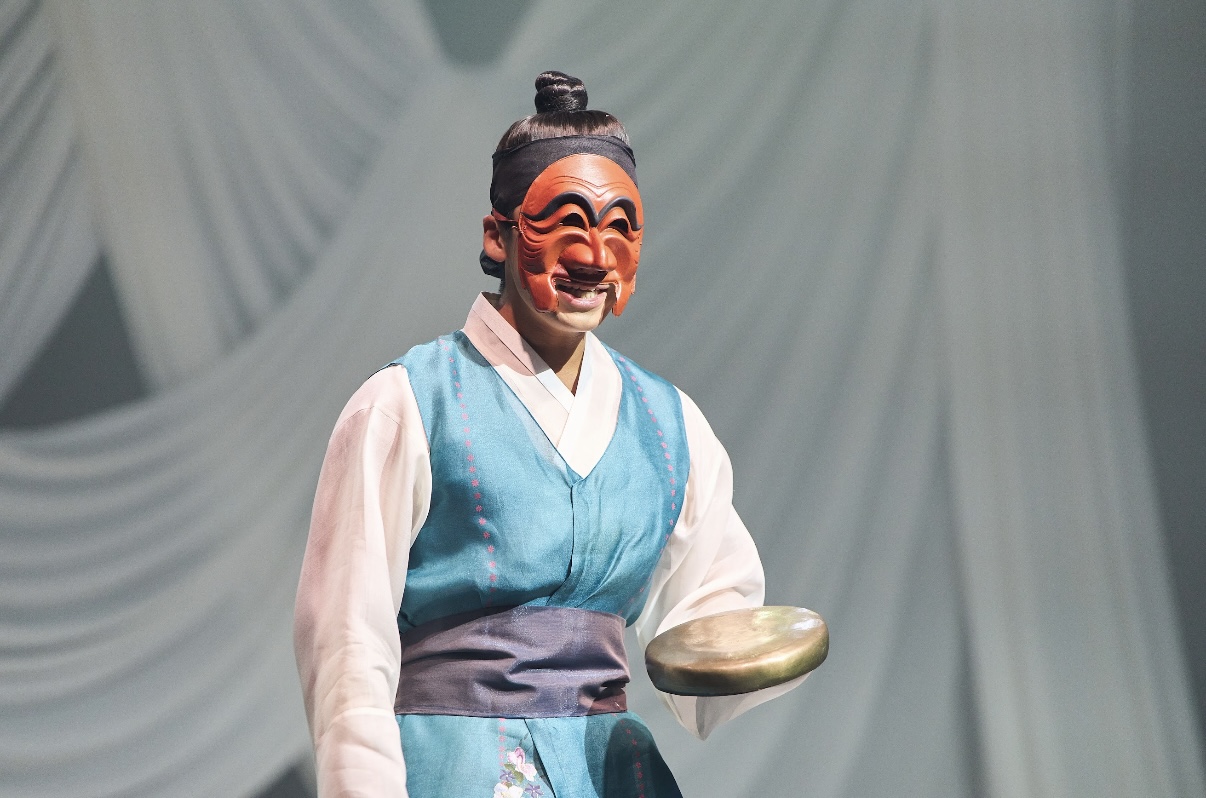
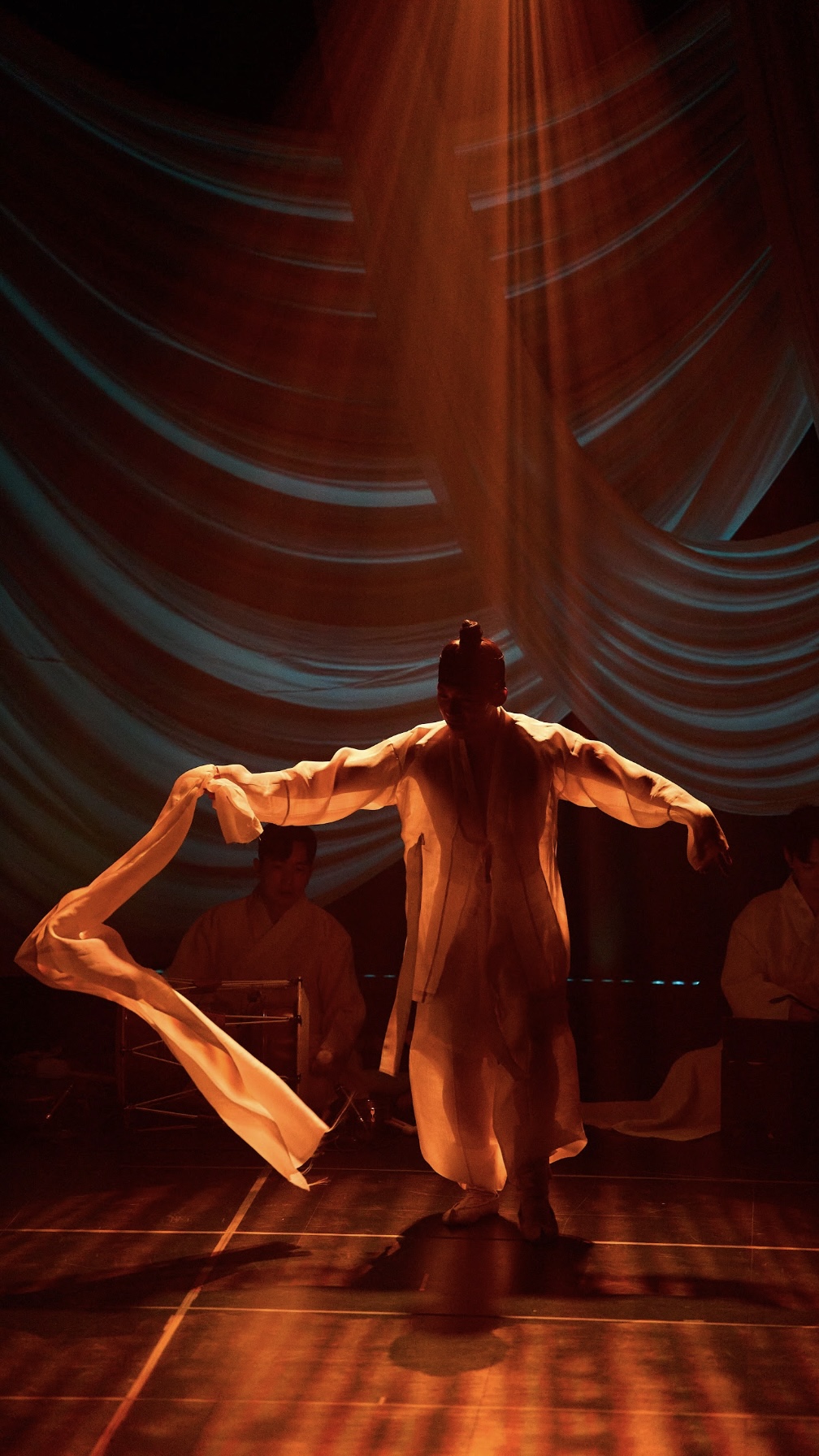
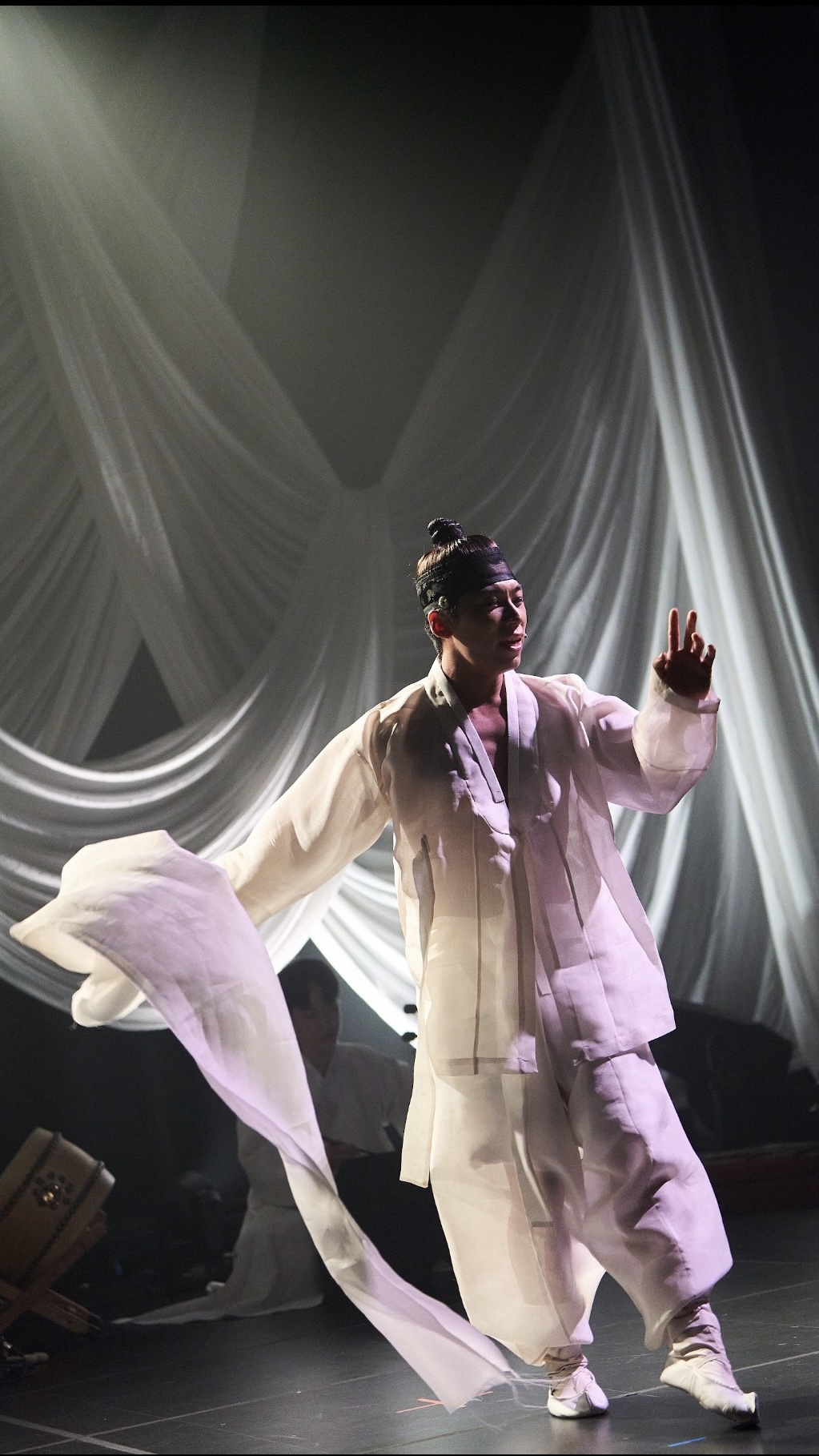
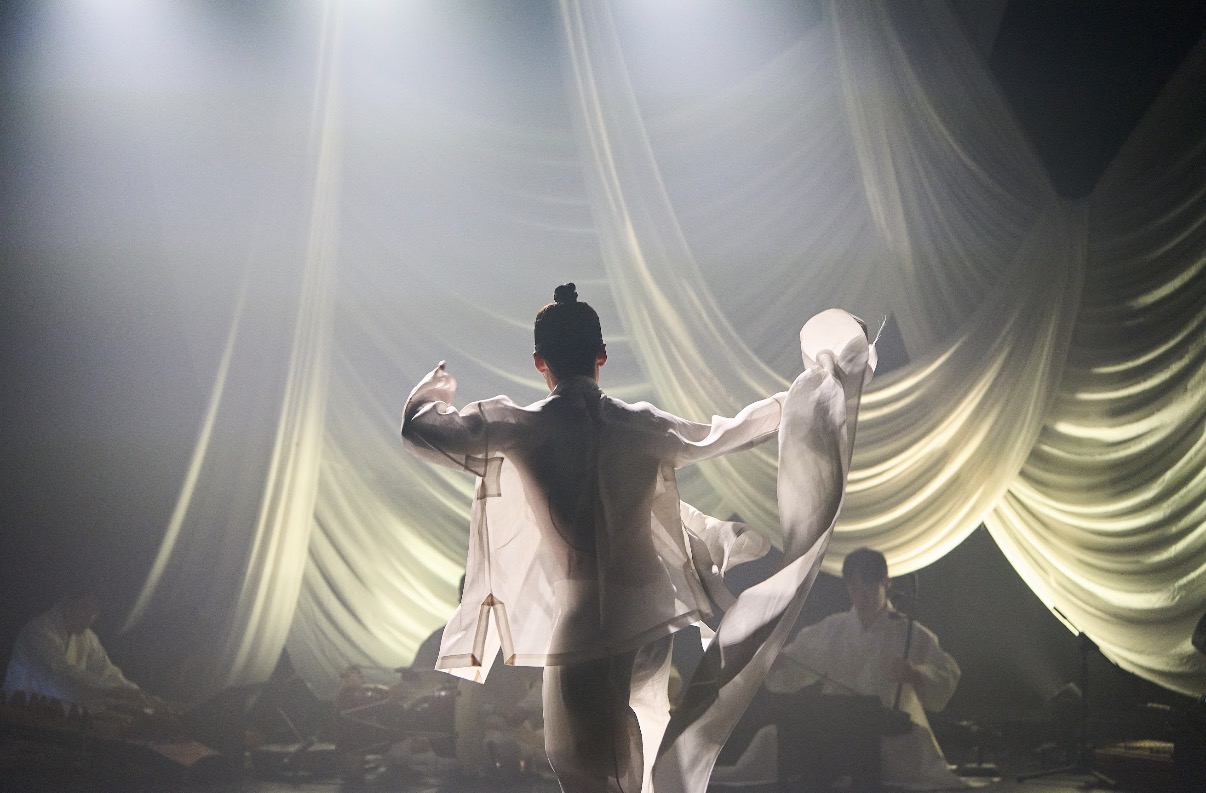
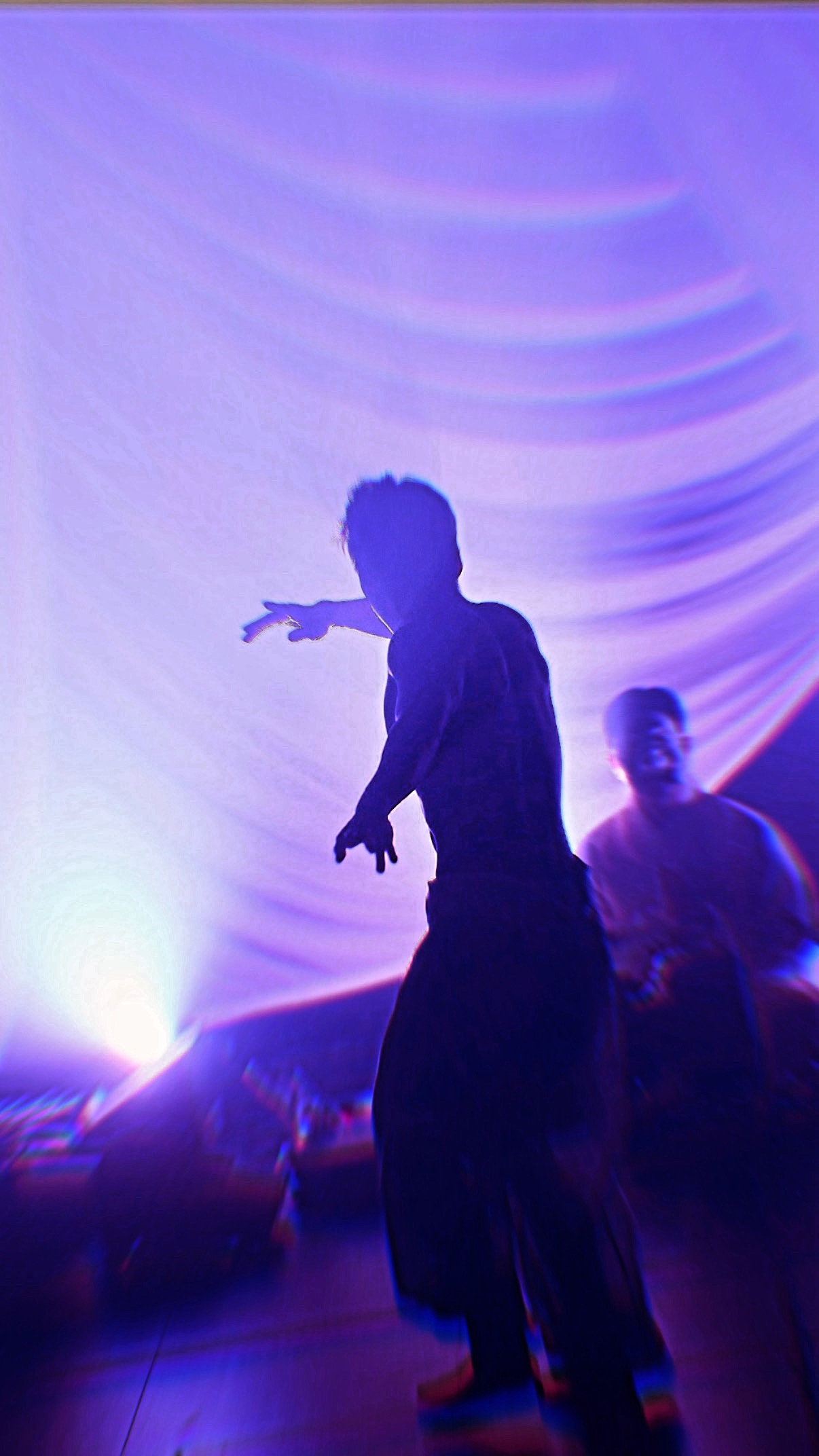
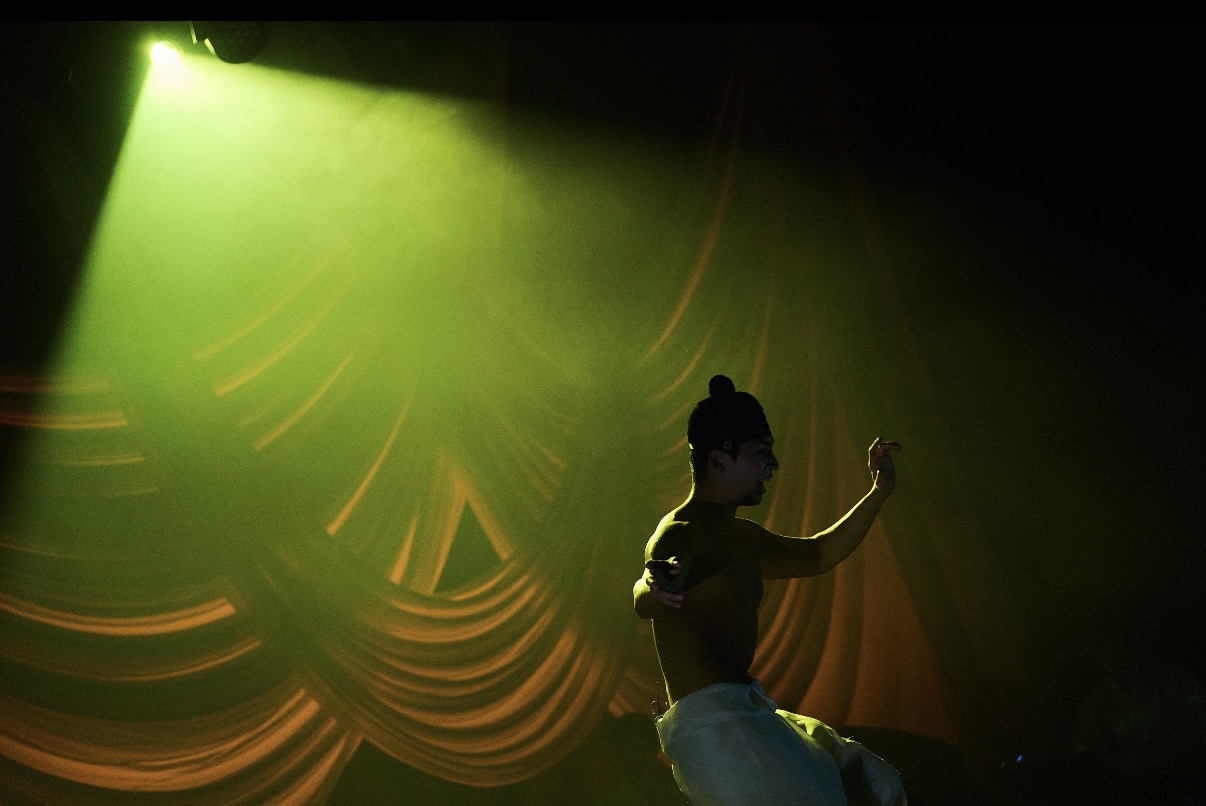
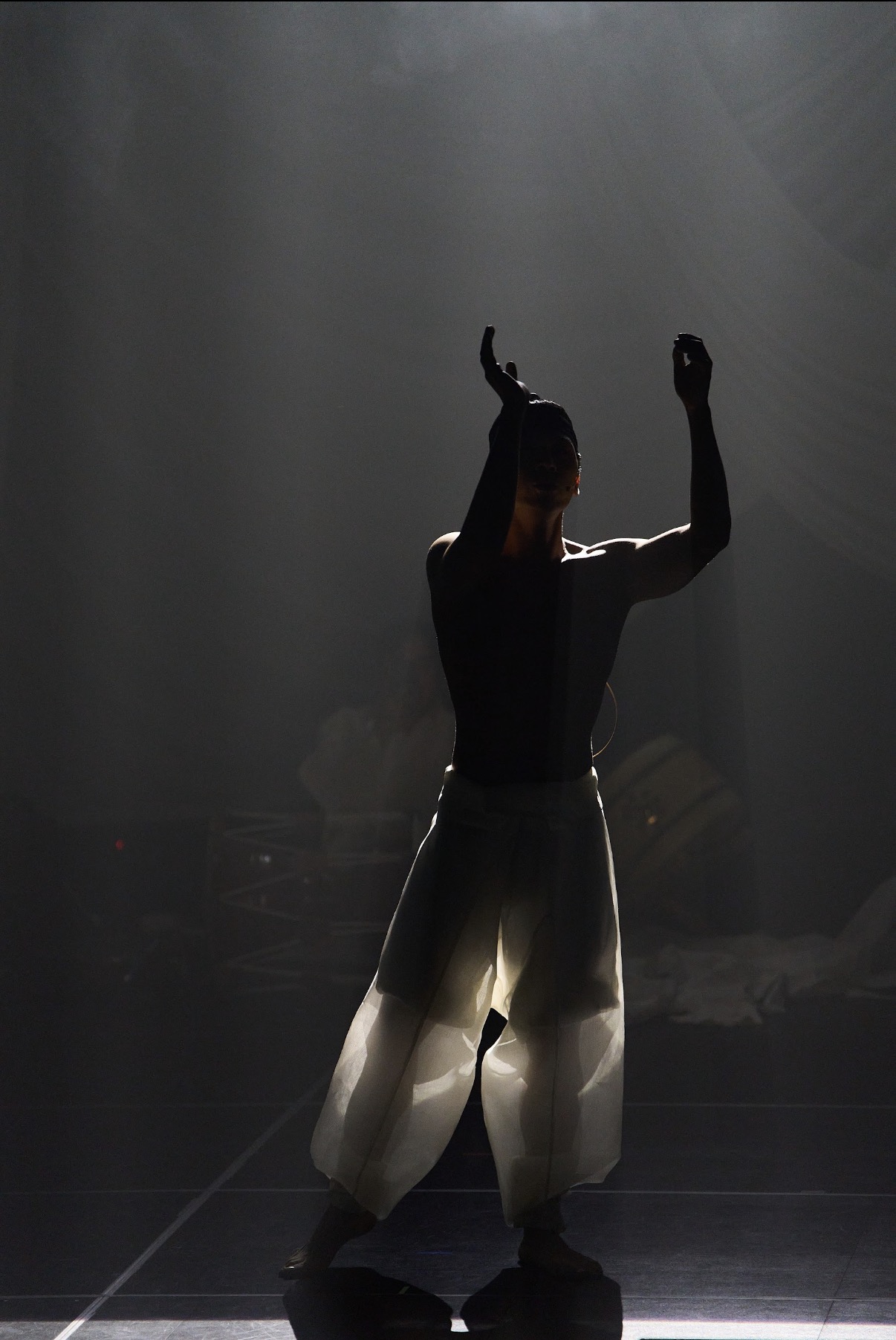
음악은 전통과 전자음악을 넘나드는 아쟁 연주자 배호영이 작곡했다. 토속 명창들이 남긴 옛 소리를 뼈대 삼아 아쟁∙가야금∙해금∙타악을 얹고 그 위로 비트를 더해, 가장 오래된 소리와 가장 지금의 리듬이 정면으로 만나게 했다. 막이 바뀔 때마다 소리꾼은 의상을 한 겹씩 벗어 격식과 꾸밈이 사라진 자리에 맨소리만 남겼다.
“메나리는 누가 책상에 앉아 지은 노래가 아니라 밭 매고 노 젓던 사람들이 몸으로 밀어낸 소리”라는 연출의 말처럼, 이번 공연은 글이 아닌 목과 몸으로 전해진 메나리의 감각을 한글날의 무대 위에 되살린 작업이었다.
‘Kyeongwoo Sori(Song) Series’ is a project created to communicate and express the most common stories of human history in folk songs that have been reproduced by the common people for hundreds of years, such as meeting and separation, love with lovers, the reason of everything, and nature exploration.
“Menari is the sacred soul that the people have naturally kept deep within themselves.”
— Hong Sa-yong, from Joseon Is the Land of Menari
The fourth production in Kyeong-woo Nam’s “Kyeongwoo Sori Series,” Menari, Songs of Jit(메나리, 짓의 노래들), explores Menari, the eastern folk songs sung east of the Taebaek Mountains across Gangwon, Gyeongsang and Hamgyeong, through the theme of Jit(作). In his 1928 essay Joseon Is the Land of Menari, the writer Hong Sa-yong called Menari neither writing, nor speech, nor poetry, but a “sacred soul” the people kept deep within themselves. Hemmed in by mountains and blocked by the sea, people sang with their voices instead of writing. That song is Menari.
Jit originally means a movement of the body. The labor and struggle of people who lived on steep mountain slopes and rough sea routes gave rise to songs, dances and stories, a cycle that flows from gesture to song, and from one person to another.
The performance unfolded in three acts, ten songs, over seventy minutes. Act One opened the sounds of the sea and mountains with the East Sea Boat Song and Jeongseon Arari in a chamber setting. Act Two wove the sounds of ritual and the marketplace, Dongbu Gosa Deokdam, Jang(場) and Yanggu Eolleji Taryeong, together with electronic sound. Act Three moved through Gosan Yeoldu Gogae, Geondeureong Taryeong and Aewonseong, Hanobaengnyeon and Gangwon-do Arirang, and Jukjisa, closing with Miryang Arirang sung together by the entire audience.
The music was composed by Hoyoung Bae, an ajaeng player who moves between traditional and electronic music. Built on the old voices of local master singers, ajaeng, gayageum, haegeum and percussion were layered with beats, bringing the oldest sounds face to face with the rhythms of today. With each act, the singer shed a layer of costume until only the bare voice remained.
As the director put it, “Menari is not a song someone composed sitting at a desk, but a sound pushed out by the bodies of people who weeded fields and rowed boats.” Performed on Hangeul Day, the production revived Menari as something passed down not through writing, but through voice and body.
Host / Organizer(주최/ 주관) :
Kyeongwoo Nam(남경우)
Project director(연출 및 기획) :
Kyeongwoo Nam(남경우)
Project Duration(프로젝트 기간) :
8개월
Date(일시):
2026. 10. 9. (Fri, 금)